

With Valentine’s day just around the corner, chances are you’ve purchased some chocolate as a gift for a loved one (or maybe you’re waiting for February 15th to get a good deal on the discounted chocolates that were left behind). Leaving some room in your healthy life to indulge in treats like these on special occasions such as Valentine’s day all a part of keeping things in a balance. In our motivation blog we mentioned that giving in to temptations is a good way to ensure we do not deplete our limited supply of will power. The key is to be smart about how you indulge. As with all dietary choices, there are good options and there are bad options. Your choice of chocolate is no exception. For this special Valentine’s day blog, we are going to help you make the best chocolate selection for your health.
Dark vs. Milk vs. White Chocolate
We should probably stress early on in this that we are not promoting mass consumption of chocolate. Although dark chocolate does boast some impressive health benefits, it’s sweeter siblings have more sugar than you should reach for in any situation. Not to mention the other ingredients they add to achieve maximum sweetness bring their own health risks. Here are the nutritional information labels on 3 different kinds of chocolate from Lindt to show you just how different the most common chocolate options are, in terms of nutritional value.
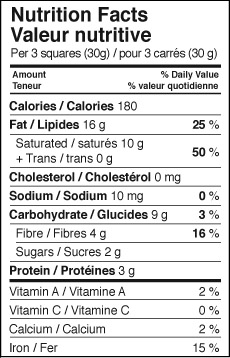
Lindt Excellence 90% Cocoa
Ingredients: Cacao solids: 90% minimum.
Cocoa mass, cocoa butter, cocoa powder, sugar, bourbon vanilla beans.


Lindt Excellence Extra Creamy
Cacao solids: 30% minimum. Milk solids: 20% minimum.
Ingredients: sugar, milk ingredients, cocoa butter, cocoa mass, lactose, barley malt extract, soya lecithin, artificial flavour.

Lindt Excellence Vanilla White
Ingredients: Sugar, cocoa butter, milk ingredients, lactose, soya lecithin, Madagascar vanilla flavour, Madagascar vanilla extract.
If we look at the ingredients list on these 3 chocolates, the creamy milk chocolate and vanilla white chocolate both list sugar as their first ingredient. When looking at any ingredients list it is important to understand that the first 3 ingredients make up the bulk of that food item. With lactose also being listed, this means that there are actually 2 forms of sugar being used to create this product. The 90% chocolate bar does also include sugar, but as it is later in the list, it can be assumed that there is much less in that chocolate bar.
The more Cocoa the Better
So why is the first chocolate bar better than it’s sweeter counter parts? The cocoa in chocolate is what brings the most benefits to chocolate. Therefore the higher the concentration of cocoa, the more benefits the bar brings. Here are just some of the benefits of cocoa:
- In a review published by the Current Opinion in Clinical Nutrition and Metabolic Care, they suggest that cocoa is good for “the prevention/treatment of allergies, cancers, oxidative injuries, inflammatory conditions, anxiety, hyperglycemia, and insulin resistance”.
- Nutritionally, a dark chocolate bar packs a real healthy punch with 11 grams of fiber, 67% of the RDA (recommended daily allowance) for Iron, 58% of Magnesium, 89% of Copper, 98% of Manganese in a 100g bar. It also has plenty of potassium, phosphorus, zinc and selenium.
- Dark chocolate has one of the highest scores on the Oxygen Radical Absorbance Capacity (ORAC) meaning that is an excellent antioxidant and helps the body neurtralize free radicals.
- Ever heard of flavanols? This naturally occurring phyto-nutrient can be found in things like tea, apples, and red wine. The flavanols in chocolate seem to carry special properties that have been shown to improve circulation and blood vessel health.
- The flavanols in chocolate have also been observed to protect our skin from the damaging effects of the sun by improving blood flow to the skin and increasing skin density.
- Research has also shown that dark chocolate lowers the body’s LDL cholesterol concentration (the bad cholesterol), and increases the amount of good cholesterol in the body (HDL).
- Last, but certainly not least, chocolate has been known to be an aphrodisiac. Chocolate contains tryptophan and phenylethylamine (phenyl – ethyl – amine), which are the building blocks for seratonin and the love-chemical amphetamine, respectively. Research has shown that this effect is limited, but this might be why this treat is especially popular for this particular holiday.
This Valentine’s day think about going for the healthier option for your loved ones. Choose a higher concentration of cocoa in the chocolates you buy to, not only treat that special someone to something sweet, but also to something healthy. And remember – everything in moderation.
