It goes without saying that 2020 and 2021 have been exceptionally stressful years. Whether you realize it or not, there has been a constant hum of stress in the background of all of our lives. When this type of low-level, chronic stress hangs around this long it can have some unexpected effects. The body is great at sending you signals but when you don’t listen to it the first time, it starts acting out. In this article we’ll go over some of the ways your body will start to manifest stress and how you can implement stress-management strategies today.
This article is a summary of a peer-reviewed academic review, originally published to Experimental and Clinical Science Journal. You can find the article here.
Symptom 1: Hormones
We’re starting with the effect of stress on your hormones because stress cannot occur without hormones, but also the activation of stress can greatly impact all areas of the endocrine system (hormonal system). In the image below you’ll see the various organs of the endocrine system.

As you can see from this image, if stress is affecting all of the places where hormones are created and secreted, then there are many ways that stress can manifest itself. Some studies show that it reduces fertility (gonads), impacts the release of insulin (pancreas), alters metabolism (thymus and thyroid gland), and leads to changes in core & basic functions (pituitary and hypothalamus).
Because of the effect of stress on your hormones, we won’t get into much more detail, however you will see the effects in the following symptoms as hormones are one of the core messenger systems in the body – affecting all other systems.
Symptom 2: Cardiovascular
The connection between stress and cardiovascular health is well documented. When you are stressed, your heart rate increases, your blood pressure increases and some people will turn to things like smoking, drinking or highly processed foods to help them cope.
Your heart is a muscle, so similarly to how you can overwork a bicep or a leg muscle, you can overwork the heart. Chronic stress can weaken the heart because it is burnt out. Beyond the heart, the blood vessels take a beating. With high blood pressure the blood vessels are always overworked and become weak and susceptible to damage.
Finally, coping mechanisms such as smoking, drinking and eating highly processed foods have all been shown to negatively affect the cardiovascular system by damaging the lining of the blood vessels, contributing to the buildup of plaque and increasing bad cholesterol (LDL).
Of all of the symptoms of chronic stress, this one is the most clearly represented. We’ll discuss a simple trick later in the article that can help you lower your stress.
Related Article: 4 Ways Our Team Reduces Stress and the Science Behind Why it Works
Symptom 3: Cognition and Memory
Chronic stress has been found to actually change the structure of the brain. As the brain atrophies (shrinks), important structures are also sacrificed in order to protect the core functions of the brain. Dendrites (shown below), which are the part of brain cells that create connections, help us learn and impact the strength of memories – decrease in size and number.

If you have been finding it difficult to recall tasks and stories, this could be due to the fact that you nervous system has been trying to manage the ongoing stress (or threat, in ancient brain terms). These changes in the brain may have also made you a little more clumsy, as spatial awareness can be affected by chronic stress.
The extent of changes depends on the amount of stress you experienced and whether or not you were able to manage your stress – even just for a few moments at a time.
The tricky part about managing chronic stress is that one of the most prominent side effects of chronic stress is changes to mood and behaviour. If your mood is off and you are acting out of character, it can be difficult to remember what makes you feel grounded. This is why it is so important to make stress-management and self-care a part of your daily routine.
Symptom 4: Digestive issues
This is likely the most unpleasant manifestation of chronic stress. Studies have shown that chronic stress can interfere with acid and mucus production in the gut, it can alter the absorption of nutrients and it can lead to a vicious cycle of inflammation and inflammatory response.
As the entire digestive system is disrupted and is now in a vicious cycle of inflammation, what may have been a silent colitis, is now an active colitis (inflammation of the colon). Irritable bowel syndrome (IBS) is also tightly linked to stress and inflammation in the gut.
The symptoms will vary due to the complexity of the gut. Some people lose their appetite, which can lead to malnourishment. Some people have issues passing stool, while others feel they can never be too far away from a bathroom. As we said, the effect of chronic stress on digestion is unpleasant, so if you have noticed a change in your appetite, digestion or bathroom experiences, it could be a result of stress.
Symptom 5: Immune System
Stress has a well-researched relationship with the immune system. However, the way that the immune system is affected is quite complex, so we’ll do our best to break it down for you.
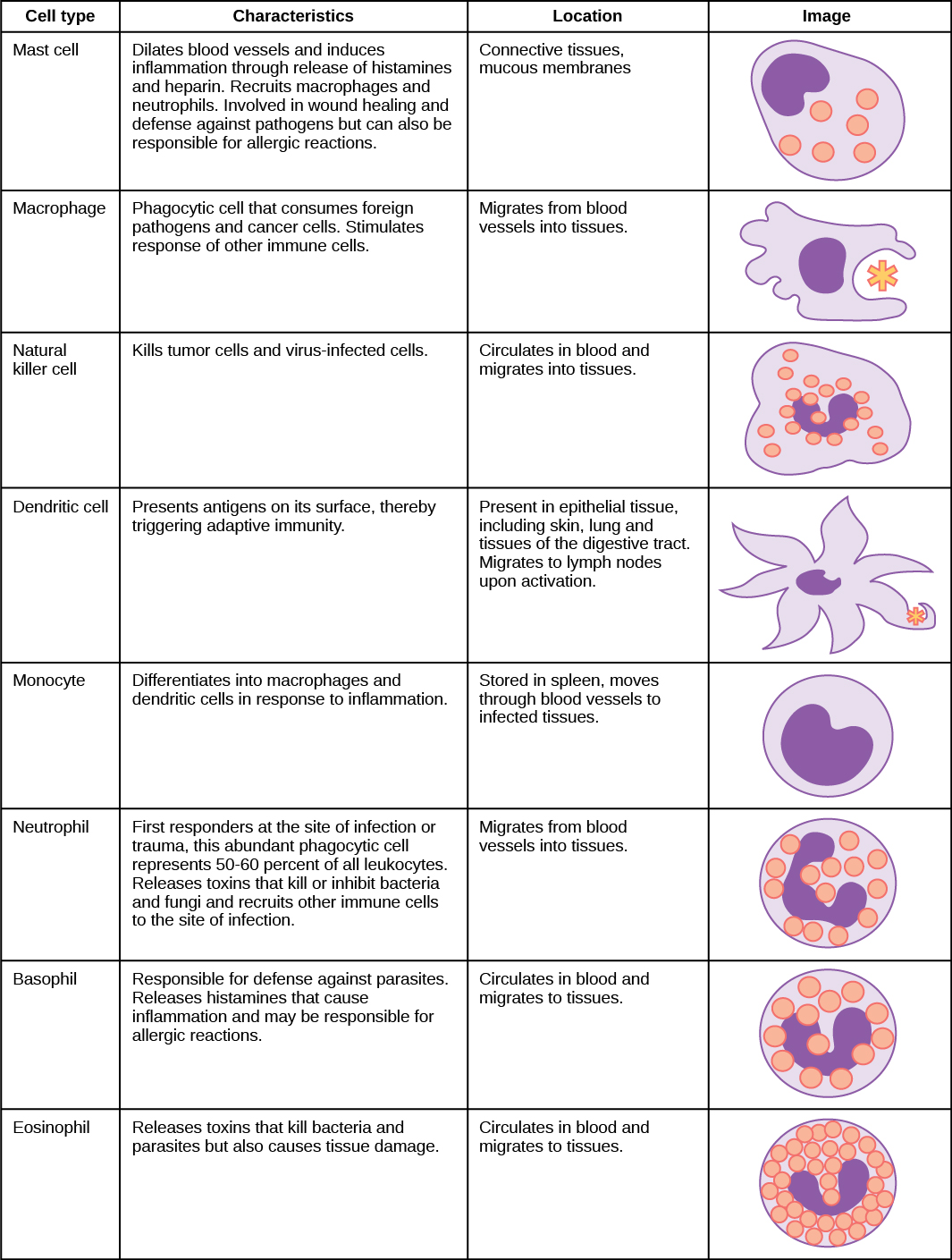
The immune system and its ability to respond to stress is led by a number of special cells. If you think back to high school biology, we’re talking about natural killer cells, phagocytes (clean up crew for broken down cells) and lymphocytes (cells of the lymphatic system, part of the immune response team).
When you get sick, the immune system responds by sending these immune system cells to go and check it out and fight back. These cells also release hormones as secondary signals to the body that they are heading out to take care of whatever illness has entered the body.
As we mentioned in symptom 1, stress really affects our hormones because the stress response is mediated by hormones. This is why scientists believe that the immune system is not able to do its job properly when under living with chronic stress.
Summary: Chronic stress essentially makes you more susceptible to illness.
Stress Management 101: Find What Works for You
Now that you know the major ways that chronic stress will manifest itself, it’s time to look at how you can manage your stress. The internet has been flooded with stress-management tips this year. From baths, to meditation to fresh air – there are so many ways that you can lower your stress levels naturally.
If you think about the stress response, it is unique to every individual. What may cause 1 person serious stress (think: social anxiety) may bring someone joy and help them reduce stress (extroverts).
With that said, really think about the moments when you are at your happiest. What moments do you wish would go on for a lifetime? Maybe it is a hot bath with a great book? Maybe it is some quality time in nature. You could have 1 of these or many, but whatever you decide makes you happy, you need to make more time for it when you’re stressed.
On the other side of the individual experience is science. Numerous studies have shown the efficacy of breathing – not necessarily meditation – but breathing. This is because your breath has a direct connection to the nervous system. So when your mind is thinking “fight or flight”, by controlling your breath, you can shift to “rest and digest” and completely alter the internal state of the body.
Although exercising in a gym may not be for everyone, physical activity is also a stress-management technique backed by science. Our bodies were designed to move – so a lack of movement stresses the body. So, with that in mind, movement, in any way that makes you happy, will lower stress levels. This can be dancing, lifting weights, swimming, spinning or even just going for a walk. As long as movement is part of your daily routine, you will benefit from it’s stress-reducing effect.
In conclusion, chronic stress can have a number of strange effects on the body. 2020 and 2021 have been a time for heightened stress, and that’s perfectly normal. This article was meant to highlight some of the ways your stress may be manifesting itself. Equipped with this knowledge, you can start to take action. Find what makes you happy and naturally reduces your stress levels.
For custom advice and a training program designed to suit your individual needs, book a free consultation with one of our expert personal trainers.